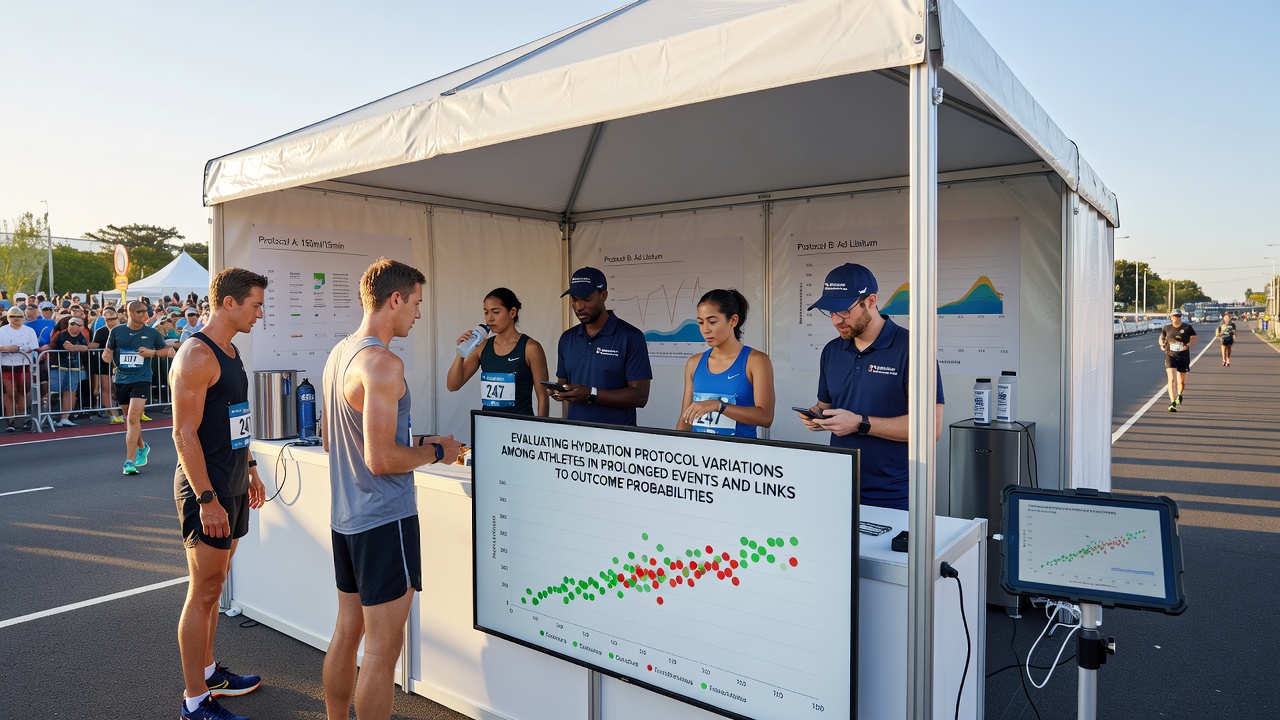
Evaluating Hydration Protocol Variations Among Athletes in Prolonged Events and Links to Outcome Probabilities
Prolonged athletic events such as marathons, ultramarathons, and iron-distance triathlons place significant demands on fluid balance, and researchers continue to examine how different hydration protocols influence performance metrics and success rates across competitive fields. Data from endurance sports federations indicate that athletes adopt a range of strategies including predetermined fluid schedules, thirst-driven intake, and electrolyte-focused regimens, each carrying distinct implications for thermoregulation and energy maintenance over extended durations.
Core Elements of Hydration Strategies in Endurance Contexts
Experts tracking competitor routines note that sodium concentration, fluid volume, and timing form the primary variables within hydration protocols, while body mass monitoring and sweat rate calculations help tailor these approaches to individual physiology. Studies conducted by the American College of Sports Medicine reveal that fixed-rate drinking plans often aim for 400-800 milliliters per hour depending on environmental conditions, whereas ad libitum methods allow athletes to respond directly to thirst signals during races exceeding three hours. Observers have documented that carbohydrate-electrolyte combinations appear in many protocols because they address both hydration and glycogen replenishment simultaneously, particularly when events stretch beyond four hours and glycogen depletion becomes a limiting factor.
Observed Variations Across Athlete Populations
Researchers examining data from international competitions find notable differences in protocol adoption between elite and recreational participants, with elites more frequently employing individualized sweat testing while recreational athletes rely on generalized guidelines. In events held during September 2026, preliminary reports from multi-sport federations highlighted increased use of portable sodium monitoring devices among age-group competitors, reflecting a shift toward real-time adjustments rather than static plans. Those analyzing performance logs note that athletes competing in hot-humid climates tend toward higher electrolyte concentrations compared with those in temperate conditions, and this pattern holds across both running and cycling disciplines where prolonged exposure to heat stress elevates core temperature risks.
One study tracking ultra-endurance cyclists demonstrated that protocols emphasizing pre-event hyperhydration produced measurable differences in plasma volume maintenance during the first half of races, yet these advantages diminished as event duration extended past six hours. Data indicates that the frequency of fluid stations and the composition of available drinks also shape protocol execution, leading many athletes to pre-position personal bottles containing customized sodium levels.
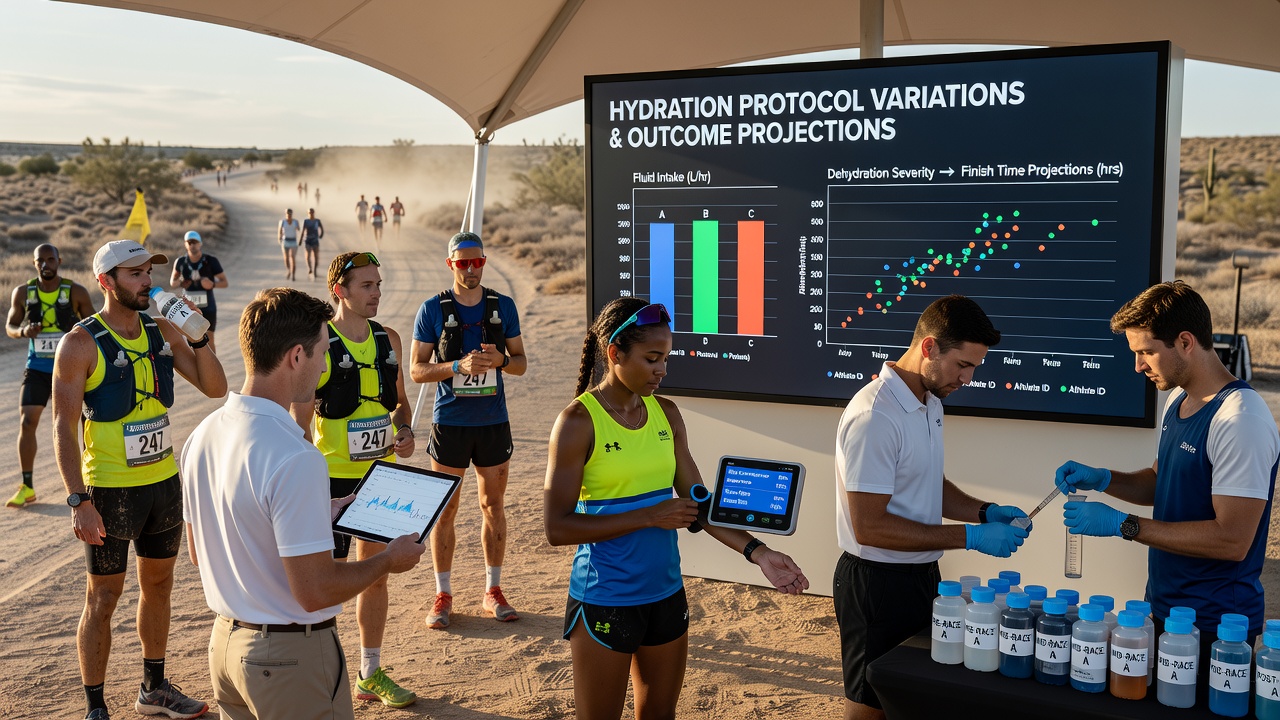
Connections Between Protocols and Performance Probabilities
Statistical analyses from large-scale endurance datasets show correlations between hydration adherence and metrics such as pace consistency, late-stage power output, and overall finishing position. Figures compiled by the Australian Institute of Sport link consistent sodium replacement above 300 milligrams per hour with reduced incidence of exercise-associated hyponatremia in events longer than five hours, thereby supporting sustained cognitive function and decision-making under fatigue. Evidence suggests that athletes who deviate substantially from their planned intake experience higher rates of gastrointestinal distress, which in turn correlates with increased dropout probabilities and slower segment times in the final third of competitions.
Performance modeling conducted across multiple seasons indicates that optimal hydration windows vary by body size, with lighter athletes showing narrower margins for fluid overload before performance declines. Those reviewing race telemetry note that successful competitors often maintain body mass losses between one and three percent, a range associated with preserved cardiovascular efficiency and lower perceived exertion scores throughout prolonged efforts.
Recent Findings and Monitoring Developments
Investigations released in late 2025 and extending into September 2026 underscore the value of combining wearable sensors wth laboratory-derived sweat profiles to refine protocol accuracy. Reports from the European College of Sport Science detail how field studies incorporating continuous core temperature tracking have clarified thresholds at which hydration adjustments yield the greatest impact on outcome probabilities. Data reveals that athletes employing dynamic protocols, adjusting intake based on real-time feedback, recorded fewer medical interventions and higher completion rates compared with those following rigid schedules in variable weather conditions.
Case examples from professional triathlon circuits illustrate how minor protocol tweaks, such as increasing fluid concentration during specific race segments, aligned with improved split times and reduced cramping episodes. Researchers continue to emphasize that environmental forecasting and course elevation profiles serve as key inputs when constructing individualized plans, since these factors directly affect sweat rates and sodium losses over multi-hour efforts.
Conclusion
Collective evidence from sports science institutions demonstrates that hydration protocol variations produce measurable effects on physiological stability and competitive outcomes in prolonged events. Continued refinement through individualized testing and sensor integration offers pathways for athletes and support teams to align fluid strategies more closely with the demands of specific races, supporting both safety and performance consistency across diverse endurance disciplines.