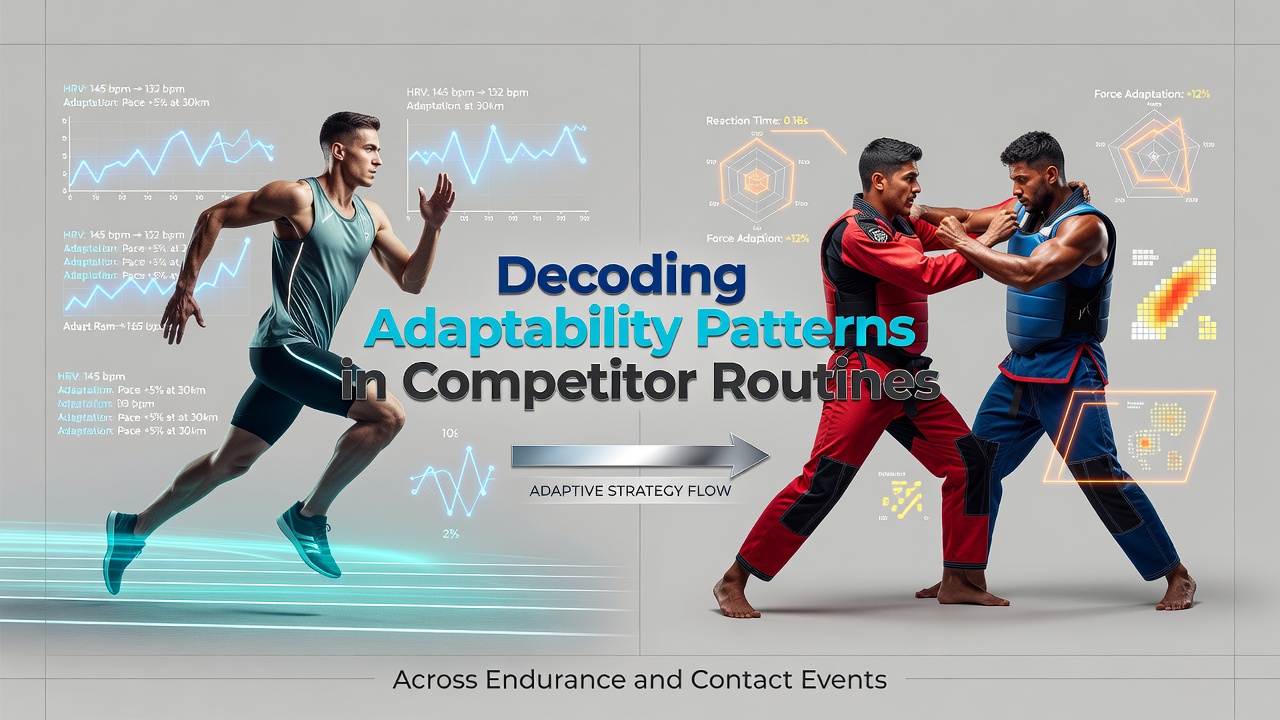
Decoding Adaptability Patterns in Competitor Routines Across Endurance and Contact Events
Adaptability patterns in competitor routines show clear differences between endurance events and contact sports, with researchers tracking how athletes adjust training loads, recovery cycles, and tactical preparation. Data from longitudinal studies indicate that endurance competitors often shift mileage and intensity based on physiological markers such as heart rate variability and lactate thresholds, while contact sport participants focus more on impact management and positional drills. These adjustments occur across training blocks that span weeks or months, and patterns emerge when analysts compare pre-competition phases with in-season maintenance periods.
Endurance Event Routines and Measured Adjustments
Endurance athletes in events like marathons and cycling tours demonstrate routine adaptations tied to environmental variables and cumulative fatigue. Research from the Australian Institute of Sport reveals that runners increase carbohydrate intake and reduce high-intensity sessions when ambient temperatures rise above 25 degrees Celsius during summer training camps. Cyclists similarly modify cadence and gear selection after reviewing power output data collected over multiple stages, allowing them to sustain efforts without exceeding anaerobic thresholds. Observers note that these changes follow predictable cycles, with volume peaks occurring eight to twelve weeks before major competitions and tapering phases reducing total load by 20 to 30 percent in the final fortnight.
Case records from European training centers show that triathletes incorporate swim-bike-run brick sessions with variable durations, then adjust recovery based on sleep metrics tracked through wearable devices. When injury risk indicators rise, coaches shorten one discipline while maintaining the others, preserving overall aerobic base. Figures from multi-year monitoring programs indicate that athletes who apply these micro-adjustments maintain consistent performance across seasons, whereas rigid schedules correlate with higher dropout rates due to overtraining markers.
Contact Sport Adaptations and Tactical Shifts
Contact sports such as rugby and mixed martial arts require routine modifications centered on contact volume and opponent-specific preparation. Studies conducted at Canadian universities document how rugby forwards alter scrum and tackle drills when match schedules compress, inserting additional rest days and lighter contact sessions to manage soft-tissue stress. Fighters in combat disciplines review fight footage to refine defensive postures and striking combinations, then integrate those insights into pad work and sparring rotations that change weekly. Data collected during national team camps demonstrate that these targeted modifications improve reaction times in subsequent bouts by measurable margins.
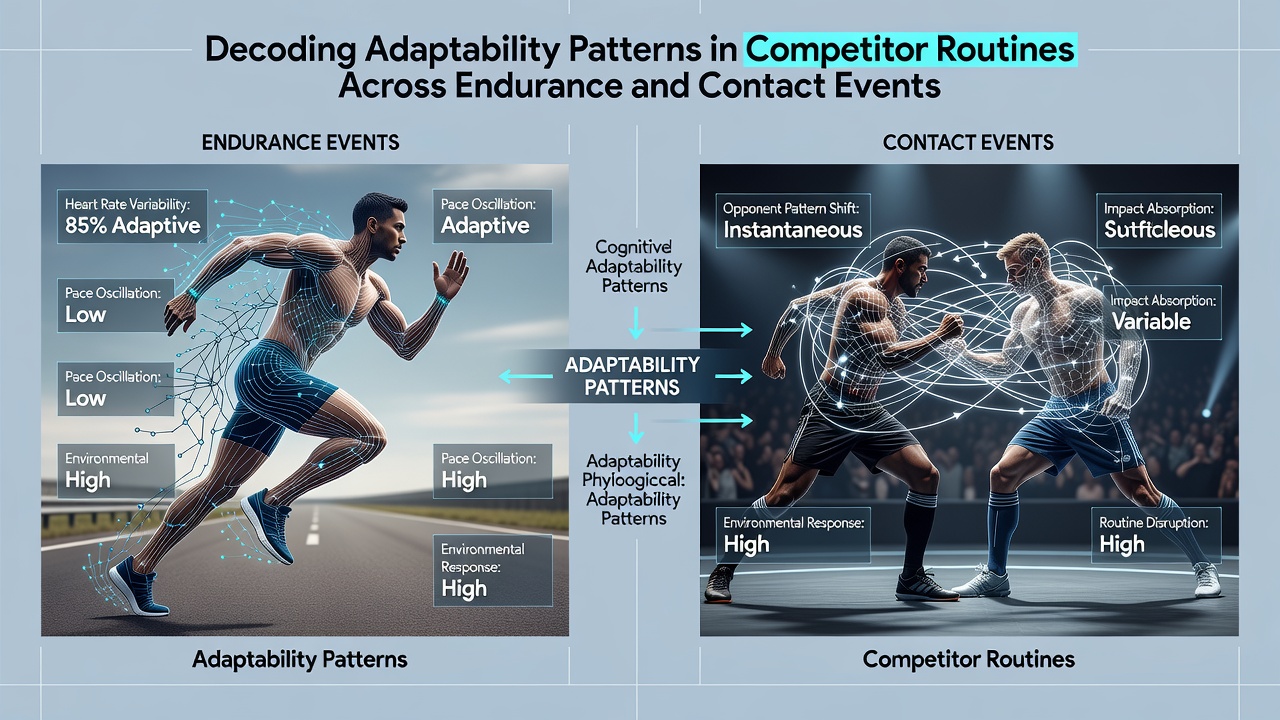
August 2026 preparations for international contact tournaments already show teams adjusting grappling volume and conditioning circuits after reviewing injury databases from prior events. Analysts track how athletes redistribute weekly training hours, moving emphasis from heavy sparring to technical drills when recovery scores drop. These patterns appear consistent across different weight classes and playing positions, suggesting that routine flexibility contributes to sustained availability throughout extended campaigns.
Comparative Analysis Across Disciplines
When researchers overlay data from both categories, distinct adaptability signatures emerge. Endurance routines emphasize gradual load progression and environmental compensation, while contact routines prioritize acute recovery from physical impacts and opponent-specific tactical updates. A 2025 report compiled by the International Olympic Committee working group found that endurance athletes log higher weekly training volumes yet lower peak impact forces, whereas contact athletes experience the reverse distribution. Both groups, however, rely on similar feedback loops involving biometric data and performance analytics to guide weekly revisions.
One study tracking 150 athletes across a two-year window revealed that those who integrated real-time adjustments reduced unplanned absences by 18 percent compared with peers following fixed templates. The same dataset showed that endurance competitors benefited most from nutrition timing changes, while contact athletes gained from load management in collision-heavy sessions. These findings align with observations from Australian and North American training hubs that continue to refine monitoring protocols ahead of 2026 competitions.
Future Monitoring and Pattern Recognition
Emerging technologies such as machine-learning models now process training logs to forecast when adaptability thresholds approach. Programs in multiple countries feed session data into algorithms that flag when an athlete's routine deviates from established patterns, prompting coaches to intervene before performance declines. Early implementations in 2025 produced accuracy rates above 75 percent in predicting overreaching states, and developers continue to expand datasets that include both endurance and contact cohorts.
Cross-disciplinary workshops scheduled for late 2026 aim to standardize terminology and data-sharing practices, enabling broader comparisons. Participants expect these efforts to clarify how adaptability patterns translate across event types and whether certain markers hold predictive value for mixed-discipline athletes who compete in both endurance and contact formats.
Conclusion
Patterns in competitor routine adaptability continue to receive systematic examination through combined physiological, tactical, and technological lenses. Endurance and contact disciplines display measurable differences in how athletes modify volume, intensity, and recovery strategies, yet both rely on iterative feedback to maintain performance across competitive calendars. Ongoing data collection and analysis programs provide the factual basis for these observations, supporting evidence-based adjustments that reflect the demands of each event category.